
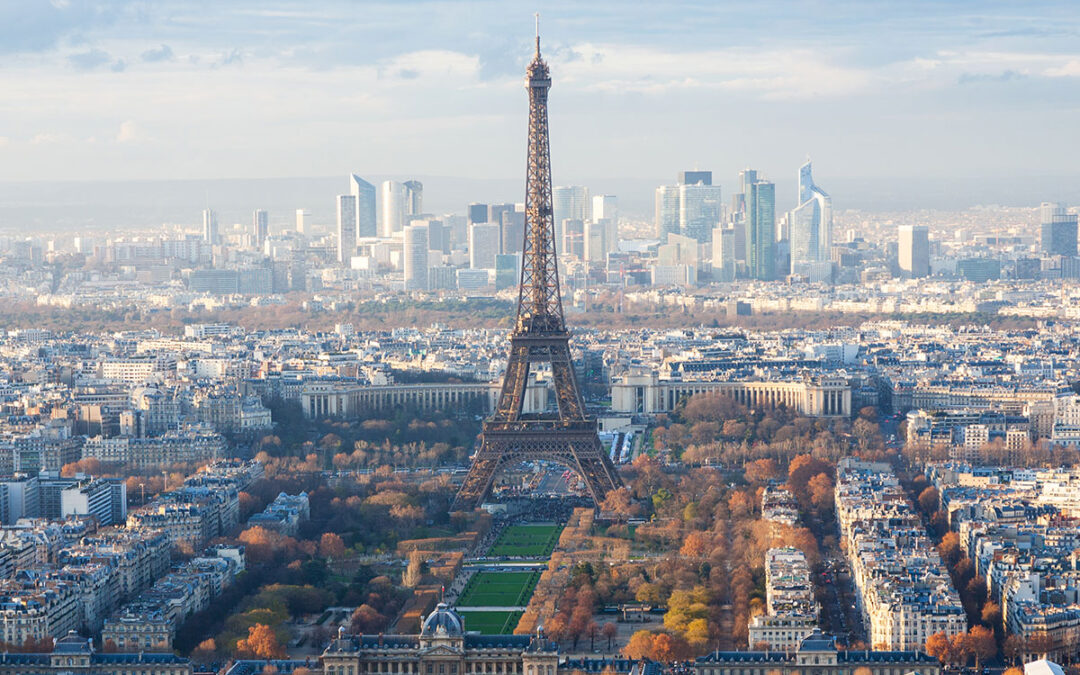
The Paris Marathon is one of the most established and popular road races in Europe. Each spring, runners from around the world gather to experience 42.2 kilometres through the heart of one of the most historic cities on the planet. The 2026 Paris Marathon continues this tradition, offering a well organised event that balances competitive running with unforgettable scenery. With the right preparation and realistic expectations, it can be an extremely rewarding race for both first timers and experienced marathoners.
Why the Paris Marathon Attracts Runners Worldwide
What sets the Paris Marathon apart is how deeply it immerses participants in the city itself. The course is not designed to avoid urban areas. Instead, it celebrates them. From wide boulevards to riverfront stretches, runners are constantly surrounded by iconic architecture and local neighbourhoods.
Another major draw is the event’s scale. Paris regularly hosts one of the largest marathon fields in the world, creating an atmosphere that feels energetic from start to finish. Crowd support is strong in many sections, and the international mix of runners adds to the sense that this is a truly global event.
Course Overview and Key Characteristics
The Paris Marathon course is known for being visually impressive rather than perfectly flat. While it does not feature extreme elevation changes, runners should expect gentle rolling sections, particularly in the latter half of the race. These changes are manageable but can feel more noticeable after the halfway point.
- Wide roads at the start allow runners to settle into pace early
- Long straight sections help maintain rhythm
- Scenic stretches along the Seine offer mental breaks
Because of its size, the race uses a wave start system. This helps reduce congestion, but runners should still expect crowded conditions in the opening kilometres, especially if starting in a slower pace group.
Registration and Pre Race Requirements
Entry for the Paris Marathon typically opens well in advance, often more than a year before race day. Demand is high, and standard entries can sell out quickly. Runners who miss general registration sometimes secure a spot through charity programs or authorised travel partners.
One important detail for international runners is the health requirement. France uses a specific health clearance system, which may include an approved online process or an athletics licence, depending on your situation. It is important to review this early so there are no last minute surprises.
Training Considerations for the Paris Course
Training for the Paris Marathon does not require specialised hill preparation, but it does benefit from a well rounded approach. Runners who train only on perfectly flat terrain may find the later kilometres more challenging than expected.
- Include rolling routes in long runs when possible
- Practice steady pacing rather than aggressive early speed
- Train fuelling strategies that work while moving through crowds
Spring weather in Paris is usually mild, but conditions can vary. Preparing for cool mornings and slightly warmer afternoons is a sensible approach.
Sustainability and On Course Support
The Paris Marathon has continued to invest in sustainability initiatives. One of the most notable changes in recent years is the move toward reduced waste at aid stations. Runners are expected to carry a reusable hydration container rather than relying on disposable cups.
- Water refill points are placed regularly along the course
- Runners must plan hydration in advance
- Waste reduction improves course cleanliness
Nutrition options on course typically include water and energy products, but runners should always practise with their own preferred fuel during training to avoid gastrointestinal issues on race day.
Race Weekend Logistics
Race weekend in Paris is busy, especially around the marathon expo. Bib collection usually takes place over several days and attendance is mandatory. Planning to arrive in the city early can help reduce stress and allow time to adjust to travel fatigue.
Public transportation is generally reliable, but certain stations may be crowded or closed on race morning. Knowing your route to the start area in advance is strongly recommended.
Helpful Race Weekend Tips
- Stay near a metro line that provides easy access to the start
- Lay out race gear the night before
- Allow extra time for security and bag checks
The Mental Side of Running Paris
The visual appeal of the Paris Marathon can be both a gift and a distraction. It is easy to get caught up in the surroundings early on, especially while running down famous avenues. Maintaining discipline in pacing is essential if you want to finish strong.
Breaking the race into smaller sections can help. Many runners mentally divide the course by neighbourhoods or landmarks, focusing only on the next segment rather than the full distance.
Post Race Recovery and Enjoying the City
After crossing the finish line, recovery should be your first priority. Walking, hydration and gentle stretching can all help reduce stiffness. Fortunately, Paris offers plenty of opportunities to relax, whether that means a quiet café or a leisurely stroll through a nearby park.
Many runners choose to stay an extra few days to explore the city once their legs recover. This can be a great way to turn race travel into a memorable experience beyond the marathon itself.
Final Thoughts on the 2026 Paris Marathon
The 2026 Paris Marathon offers far more than just a race distance. It is a carefully organised event set against one of the world’s most famous backdrops. While it may not be the fastest course available, it delivers a unique combination of culture, community and challenge. With thoughtful preparation and realistic goals, runners can expect an experience that stays with them long after race day is over.